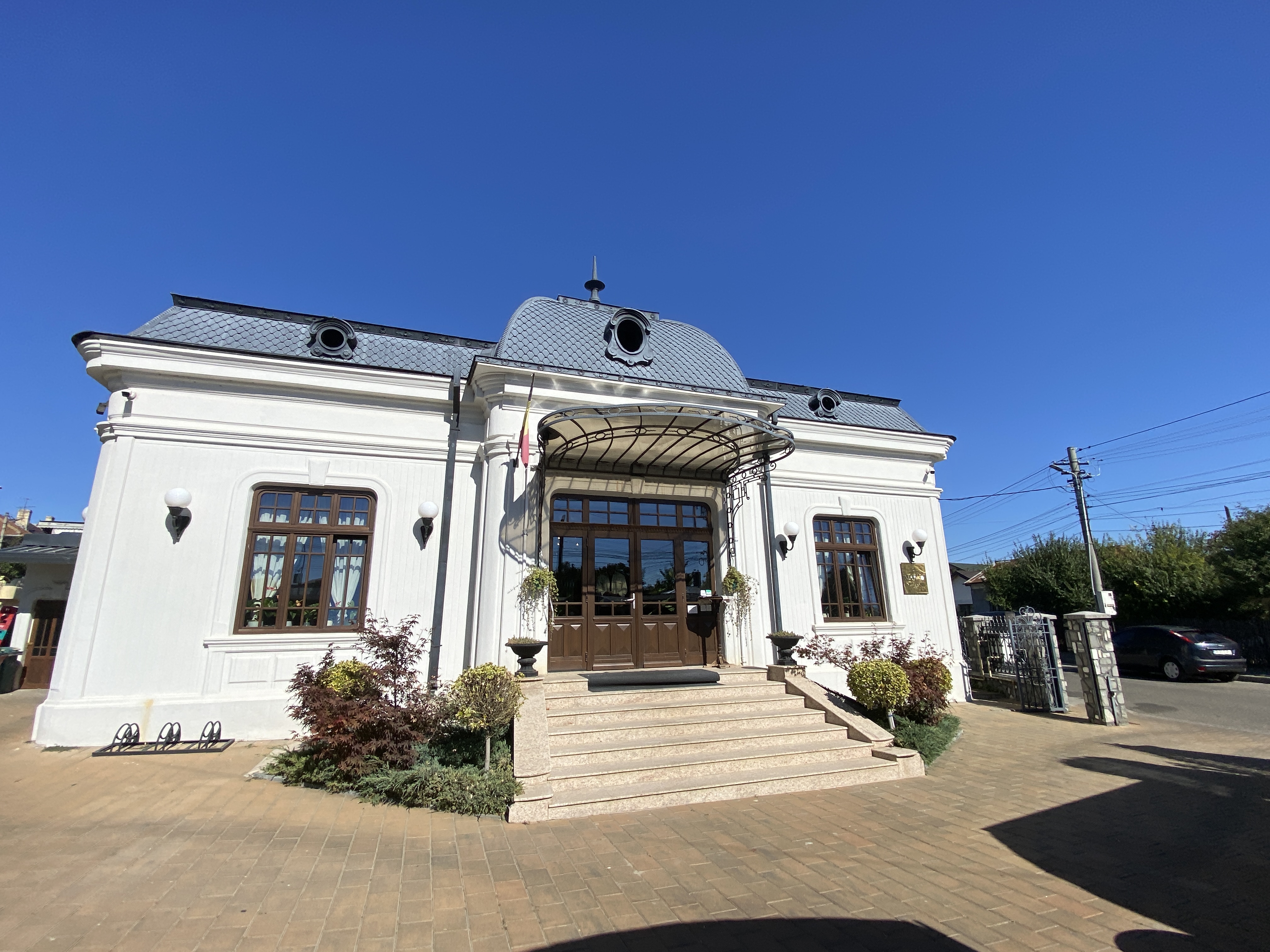
During communism times we used to call this house Casa Pionierilor (the Pioneers' House). We went there for the handcraft classes in school, and one year I was even Snow White at the Christmas masquerade ball. I had no idea about the historical details of that house…
It took many years before I learned its story, which I share with you today because it will motivate you to appreciate, maybe, the durability of things done well…
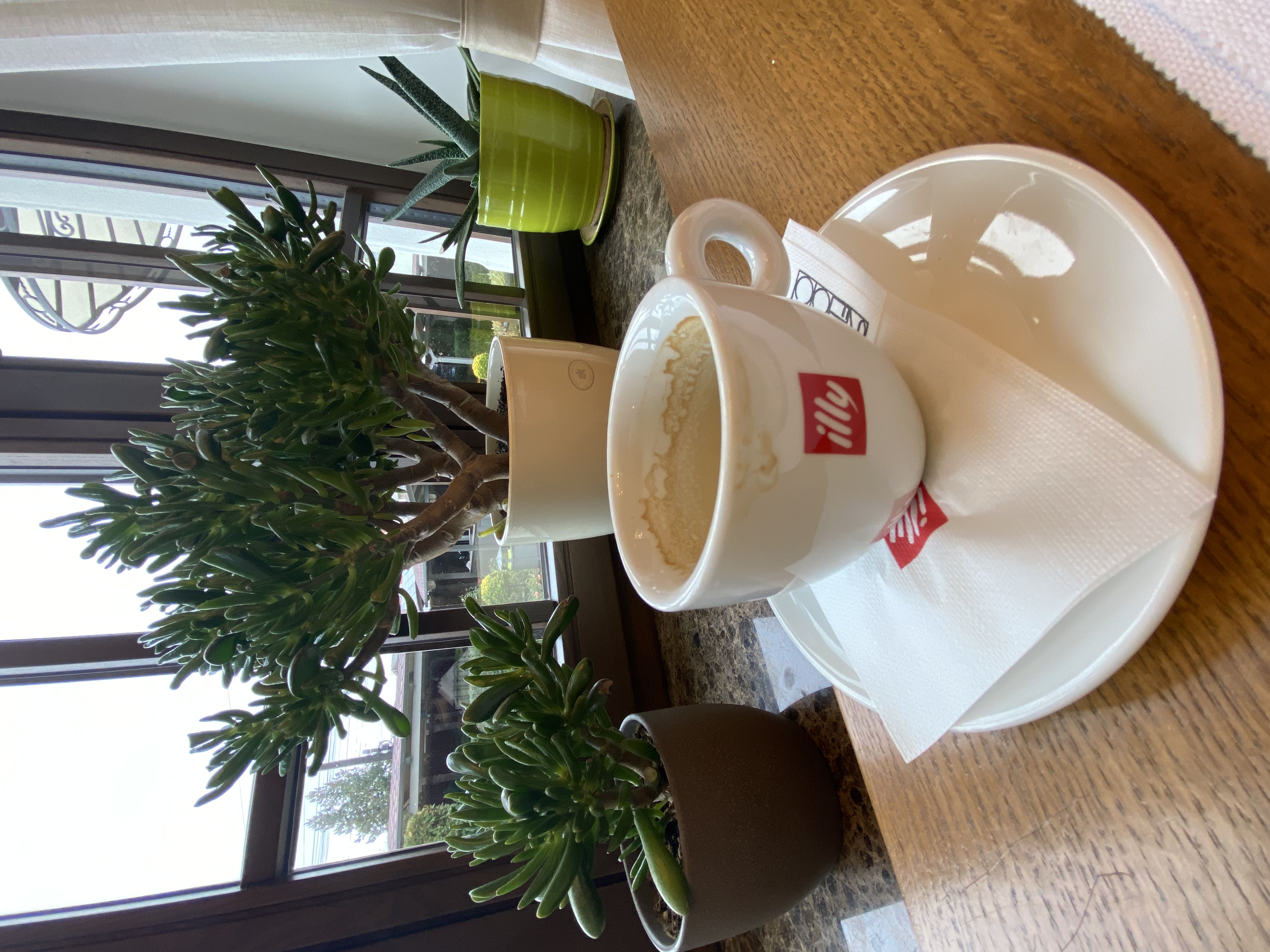
Today it's called Casa Marco Panciu and it houses a pastry shop and café with a gorgeous courtyard. A place I go to every time I visit my hometown.
A few years ago, I even held a VUCA² workshop for a few teachers from SuperTeach Vrancea. Here is the story of the house related (only then did I find out) to the Constanța Casino.
The novice who got the job
In July 1903, when Daniel Renard signed the contract to design the Constanța Casino, he was practically unknow, just a beginner in a field of established names. He was 32 and freshly trained at the École des Beaux-Arts in Paris. The son of a Romanian mother, Petra Ionescu, and a Swiss father, Prosper Renard, he proposed something unique: Art Nouveau, a style so radical for its time that it sparked fierce local controversy.
Then politics intervened. In 1905, the government that hired him fell, and the new administration abruptly dismissewd Renard, halting construction to shift toward a traditional Neo-Romanian design. Yet, when the political tide turned again a few years later, Renard was reinstated to bring his vision to life. By late 1909, with the building nearly finished, an official technical committee stepped in to oversee the final touches. Though they mandated several interior changes, legendary figures like Ion Mincu adamantly protected Renard's vision, ensuring the avant-garde exterior remained untouched. On August 15, 1910, the Casino finally opened its doors, standing exactly as Renard had boldly imagined it.
The quiet work
Now, let's go back to the house in Panciu.
It was built for the Milea family as a private home: brick, two cellars, Romanian style with European influences. In 1940, an earthquake hit the town of Panciu, in Vrancea. The old town was flattened. What the shaking left, fires and later quakes finished off.
One house survived, and yes, your guess is correct: it was Milea house!
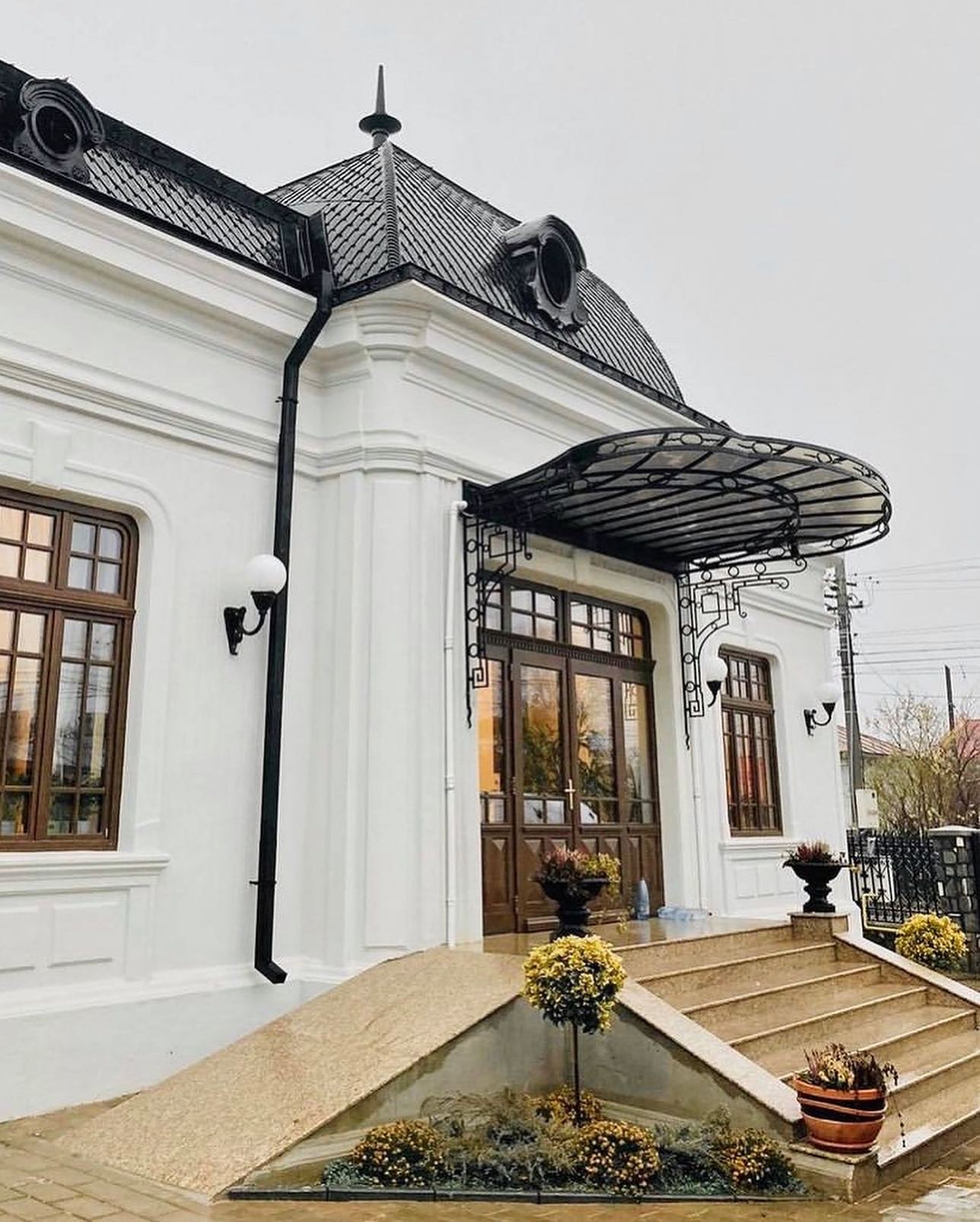
Since I learnt about that story, almost every time I go for bread or coffee at Casa Marco there is a lesson I keep thinking about and is this one:
Nobody tests your foundation on the day you build it. The test comes years later, without warning, when the volatility, uncertainty, complexity, ambiguity shake it.
What this has to do with you?
If you are familiar with my VUCA² work, you know I talk about four qualities: Vulnerability, Uniqueness, Courage, Authenticity.
Looking at Renard I think he lived all four:
- Vulnerability: He put a bold, unproven design in front of a city that wasn't ready for it, knowing he could be rejected.
- Uniqueness: He brought something new home from Paris and made it Romanian.
- Courage: He was pushed off his own project and still made sure it was finished right.
- Authenticity: He built the small house as carefully as the famous Casino.
A question for this week
What are you building that no one will applaud, yet has to hold for many years?
Maybe it's a conversation you keep putting off. Maybe it's the way you treat your family or team. Or maybe it's the version of yourself you are building slowly, brick by brick.
The little Snow White at that Christmas ball had no idea the walls around her had already survived earthquakes and fires.
Today I know. And often times when I sip my cup of coffee at Casa Marco, I'm reminded that the things done well are the ones still standing.
So build it like Renard did. Build it to last!